Case Studies
 ROI Calculator
 Blog
Blog Videos Archive
 Partnership
 Onsite Warehouse Implementation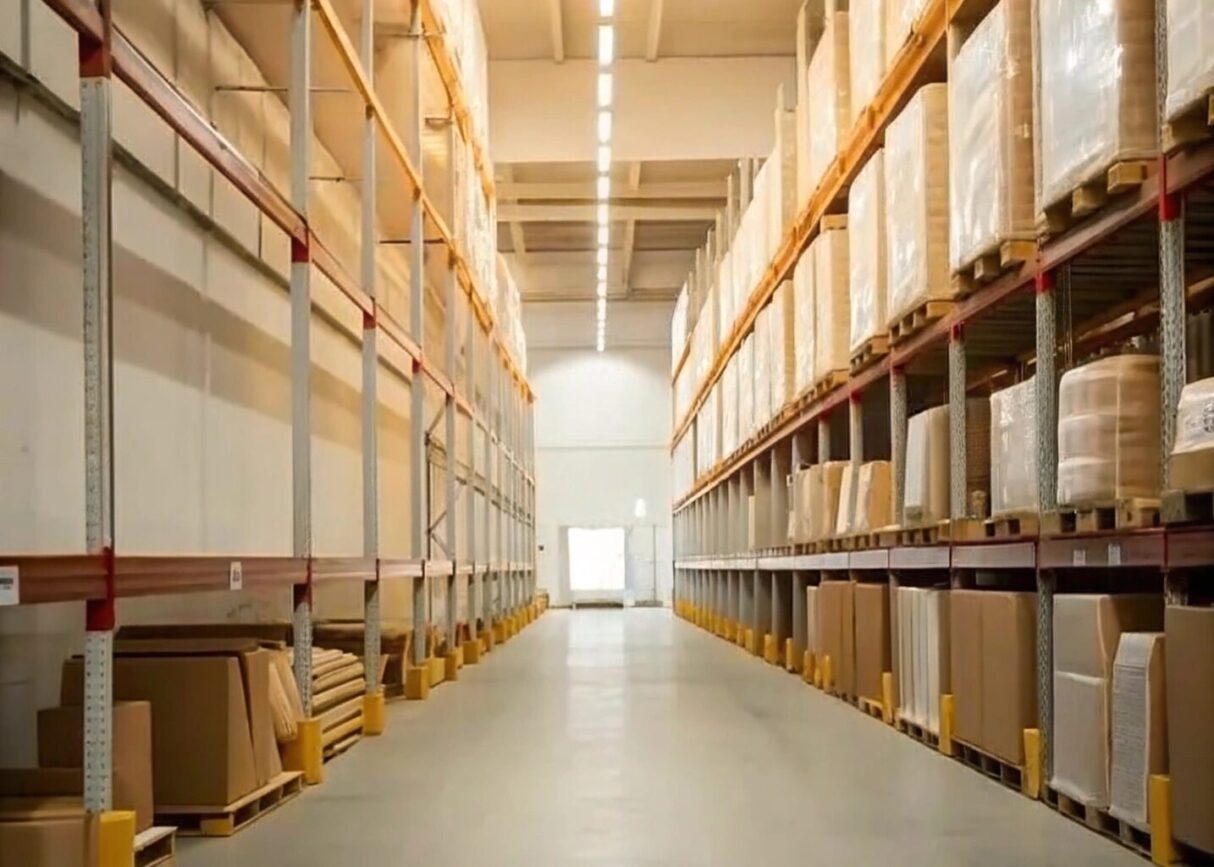
Running a contracting or field service business means keeping track of a large number of physical tools and equipment. Equipment inventory management software helps contractors and trades businesses track where their tools are, who is using them, and when they need maintenance or replacement. Without a reliable system, equipment can easily go missing, sit idle in the wrong location, or create delays on job sites.
Contractors depend on a wide range of equipment, from power tools and diagnostic instruments to ladders, generators, compressors, testing instruments, and specialty machinery commonly used across the construction and skilled trades industries, as documented by organizations like the Associated Builders and Contractors and the National Association of Home Builders. As teams grow and jobs become more complex, managing that equipment manually becomes difficult. Spreadsheets, clipboards, and memory-based tracking systems often lead to inaccurate records, lost equipment, and costly operational mistakes.
Equipment inventory software provides a structured way to manage these assets. By tracking equipment across warehouses, trucks, and job sites, businesses gain real-time visibility into what they own and how it is being used. Managers can quickly determine whether equipment is available, who currently has it, and when it will be returned.
In this guide, we will explain what equipment inventory management software is, why it matters for contractors and trades businesses, what features to look for, and how to evaluate the best platforms available.
Key takeaways
- Equipment inventory management software helps contractors track tools and equipment across warehouses, trucks, and job sites.
- Better equipment visibility reduces loss, downtime, and unnecessary equipment purchases.
- Modern systems allow field teams to check equipment in and out using mobile devices.
- Accurate equipment tracking improves maintenance planning and asset lifecycle management.
What is equipment inventory management software?
Equipment inventory management software is a digital system used to track physical equipment and tools across different locations. Businesses use these platforms to record asset details, monitor equipment usage, and maintain accurate records of where equipment is currently located.
Instead of relying on spreadsheets or paper logs, equipment inventory systems allow teams to track assets in a centralized platform. Equipment can be assigned to specific employees, trucks, warehouses, or job sites so managers can quickly determine where each item is located.
Most systems allow businesses to create a complete equipment registry that includes important information such as purchase date, model number, serial number, warranty information, and maintenance history. Over time this database becomes a valuable operational record that helps businesses manage equipment more efficiently.
Many platforms also include maintenance tracking, usage reporting, and purchasing workflows. These capabilities help businesses extend equipment lifespan, reduce unexpected failures, and make better decisions about when equipment should be repaired or replaced.
Why equipment inventory management is critical for contractors
For contractors and trades businesses, equipment represents a major operational investment. Industry labor and productivity research from the U.S. Bureau of Labor Statistics consistently shows that tools and equipment availability play a major role in job site productivity. Losing track of tools or failing to maintain them properly can quickly impact productivity and profitability.
Equipment loss and theft
Tools frequently move between trucks, job sites, warehouses, and employees. Without clear tracking, equipment can easily be misplaced or taken without anyone noticing until it is needed for a job.
Even small losses add up over time. Many contractors end up repurchasing tools simply because they cannot locate equipment that already exists within the company. Equipment tracking systems create accountability by recording who last checked out each tool and where it was used.
Job delays caused by missing tools
When crews arrive at a job site without the equipment they need, work can grind to a halt. Employees may spend valuable time searching for tools or waiting for replacements to arrive.
Reliable equipment tracking ensures crews know exactly where tools are located before leaving for a job. Managers can confirm equipment availability and ensure that the right tools are assigned to the right project.
Poor maintenance visibility
Many tools require regular maintenance or inspection. Without a structured system for tracking service schedules, equipment can fall out of compliance or break unexpectedly.
Equipment inventory software helps businesses schedule preventative maintenance and track repair history. By maintaining clear service records, companies can extend equipment lifespan and reduce unexpected breakdowns.
Inaccurate job costing
Equipment usage represents a real cost in many service businesses. If equipment usage is not tracked accurately, job costing calculations may underestimate the true cost of completing projects.
Tracking equipment usage allows businesses to allocate equipment costs more accurately across jobs. This type of cost visibility is increasingly important as contractors work to manage equipment expenses and improve job profitability. This improves profitability analysis and helps contractors price projects more effectively.
Ply was built from the ground up to optimize inventory management for the trades.
How equipment inventory management works
Most equipment inventory platforms combine several operational workflows into a single system that tracks equipment from purchase through retirement.
Equipment tracking
Each piece of equipment is recorded in the system with identifying information such as model number, serial number, purchase date, and current location. This creates a central registry of company assets.
Having a structured equipment database allows businesses to quickly identify what equipment exists in the organization and where it is located.
Check-in and check-out workflows
Employees can check equipment in and out as it moves between locations. This process creates a clear history showing who last used a tool and where it was assigned.
These workflows create accountability and help prevent equipment from being misplaced.
Maintenance tracking
Equipment maintenance schedules can be recorded so teams know when inspections, servicing, or repairs are required. Many systems also record repair history so managers can see how frequently equipment needs servicing.
Location visibility
Managers can quickly see where equipment is currently located, whether in a warehouse, on a truck, or assigned to a job site. This visibility helps ensure crews have access to the tools they need.
Usage and lifecycle reporting
Over time, software collects data about how often equipment is used and how frequently it requires maintenance. This information helps businesses determine when equipment should be replaced.
Key features to look for in equipment inventory management software
Not all inventory platforms are designed specifically for equipment-heavy businesses. Contractors evaluating software should focus on capabilities that support real field workflows.
Barcode and QR code scanning
Many equipment systems allow businesses to label tools with barcodes or QR codes. Employees can scan these codes using mobile devices to update equipment status instantly.
Scanning eliminates manual data entry and ensures that equipment movements are recorded quickly and accurately.
Mobile equipment tracking
Because contractors operate in the field, mobile functionality is critical. Teams should be able to check equipment in and out directly from smartphones or tablets.
Mobile tools make it easier for field crews to update equipment records without returning to the office.
Real-time equipment visibility
Managers should be able to see current equipment locations and assignments at any time. This prevents unnecessary purchases and helps locate equipment quickly.
Real-time visibility also helps businesses avoid situations where duplicate tools are purchased simply because existing equipment cannot be found.
Maintenance and service scheduling
Maintenance tracking ensures equipment receives regular servicing. Safety agencies such as the Occupational Safety and Health Administration emphasize routine equipment inspection and maintenance as a critical part of workplace safety programs. Preventative maintenance reduces unexpected breakdowns and extends equipment lifespan.
• IN DEPTH: Ply provides on-site implementation services
Purchase order management
Equipment systems that integrate purchasing workflows make it easier to track new equipment acquisitions and maintain clean asset records. Instead of managing purchases through disconnected spreadsheets or email threads, managers can generate purchase orders directly inside the inventory platform.
This creates a clear historical record of when equipment was purchased, which supplier provided it, and how much it cost. Over time, these records help contractors evaluate supplier performance, monitor equipment spending, and maintain a reliable audit trail for major purchases.
Multi-location equipment tracking
Contractors often manage equipment across warehouses, trucks, and multiple job sites. Without structured tracking, tools can easily disappear into the field and become difficult to locate when another crew needs them.
Strong inventory systems provide visibility across all locations, allowing managers to see whether equipment is in a warehouse, assigned to a vehicle, or currently in use on a job site. This visibility makes it easier to redeploy equipment across teams and prevents unnecessary duplicate purchases.
Several platforms provide equipment tracking capabilities. The right solution depends on the complexity of the business and the type of equipment being managed.
Best equipment inventory management software platforms
Several platforms provide equipment tracking capabilities. The right solution depends on the complexity of the business and the type of equipment being managed.
1. Ply
Ply provides inventory and purchasing management software designed specifically for contractors and trades businesses. The platform allows companies to track materials, tools, and equipment across warehouses, trucks, and job sites in a single system.
Ply focuses heavily on operational clarity and simplicity. Contractors can assign equipment to trucks or employees, track usage across jobs, and manage purchasing workflows from one platform.
Because the system was built for field service and construction environments, it aligns closely with the way contractors actually move equipment between locations.
2. Asset Panda
Asset Panda is a general asset tracking platform used across many industries. The software allows organizations to record equipment information, track locations, and generate asset reports.
However, because the platform is designed for broad asset management rather than contractor workflows, some field teams find it less tailored to job site operations. For example, workflows for moving tools between trucks, warehouses, and projects may require additional customization. Companies that primarily operate in the field sometimes prefer systems designed specifically for contractor inventory environments.
3. ToolWatch
ToolWatch focuses on equipment and tool tracking for construction companies. The platform allows contractors to track tools, manage job site equipment, and monitor tool usage across projects.
While the system provides strong construction-focused capabilities, some businesses find the interface complex for smaller teams or companies with simpler workflows. Implementation can also require a structured rollout process, which may be more involved than lighter-weight inventory systems.
4. UpKeep
UpKeep is primarily known as a maintenance management platform. Businesses often use it to track equipment maintenance schedules and repair histories.
Although the system offers asset tracking capabilities, its core strength is maintenance management rather than day-to-day equipment location tracking. Contractors who need strong visibility into where tools are moving between trucks and job sites may find that additional inventory-focused features are required.
5. Sortly
Sortly is a simple inventory management application designed for small businesses that want an easy way to organize equipment and supplies. The platform allows users to track items visually and maintain basic inventory records.
While the system is easy to learn, it may lack the operational depth needed by contractors managing large numbers of tools across multiple job sites. Businesses with complex equipment workflows may eventually need more advanced reporting and location tracking capabilities.
• BLOG: Top Sortly alternatives for the trades
6. EZOfficeInventory
EZOfficeInventory offers asset tracking features including barcode scanning, equipment tracking, and asset reporting. Businesses can record asset details and monitor equipment assignments through a centralized database.
However, the platform is often used for general asset tracking across offices and corporate environments. Contractors that need stronger visibility across trucks, warehouses, and field crews sometimes look for systems more specifically designed for field operations.
Equipment inventory software comparison table
| Asset Panda | ToolWatch | UpKeep | Sortly | EZOffice | Ply | |
|---|---|---|---|---|---|---|
| Equipment location tracking | Moderate | Strong | Moderate | Basic | Moderate | Strong |
| Field check-in / check-out | Moderate | Strong | Limited | Basic | Moderate | Strong |
| Barcode / QR scanning | Yes | Yes | Yes | Yes | Yes | Yes |
| Maintenance tracking | Moderate | Moderate | Strong | Limited | Moderate | Moderate |
| Multi-location tracking | Moderate | Strong | Moderate | Limited | Moderate | Strong |
| Mobile usability | Moderate | Moderate | Strong | Strong | Moderate | Strong |
| Contractor workflow focus | Limited | Strong | Moderate | Limited | Limited | Strong |
| Purchasing workflows | Limited | Limited | Limited | None | Limited | Strong |
When evaluating equipment inventory platforms, businesses should consider how closely the system aligns with real field operations. Systems built primarily for office asset tracking may struggle to support the complex movement of tools between warehouses, trucks, and job sites. Platforms designed specifically for contractors tend to provide stronger operational visibility and simpler workflows for field teams.
Equipment inventory software vs spreadsheets
Many contractors begin managing equipment with spreadsheets. While spreadsheets can work for small teams, they become difficult to maintain as equipment volume increases.
Manual systems require employees to update records every time equipment changes location. Over time these manual updates become inconsistent, and data quickly becomes unreliable.
Inventory software automates much of this tracking. Equipment movements, assignments, and maintenance events are recorded automatically, giving managers a much clearer picture of equipment usage.
Click here for the full story on how Kyle Plumbing streamlined its operations using Ply.
Equipment inventory KPIs every contractor should track
Tracking equipment inventory is not just about knowing where tools are located. The most effective contractors monitor key performance indicators that reveal how efficiently equipment is being used and maintained.
Equipment utilization rate
Equipment utilization measures how often a tool or asset is actively used compared to how often it is available. Low utilization rates may indicate that the company owns more equipment than necessary or that tools are sitting idle in the wrong location. These insights help contractors make smarter purchasing decisions by revealing whether additional equipment is truly needed or whether existing tools can be redeployed across crews and projects.
Equipment utilization measures how often a tool or asset is actively used compared to how often it is available. Low utilization rates may indicate that the company owns more equipment than necessary or that tools are sitting idle in the wrong location.
Understanding utilization helps contractors decide when to purchase additional equipment and when existing assets can be redeployed to other crews or job sites.
Maintenance compliance rate
Maintenance compliance measures whether scheduled inspections and servicing are completed on time. When preventative maintenance is skipped, equipment failures become more likely and job disruptions increase.
Tracking this metric helps ensure equipment remains safe, functional, and compliant with manufacturer recommendations.
Equipment loss rate
Equipment loss rate measures how frequently tools disappear from the system. Even small tools can represent a meaningful financial loss when they must be replaced repeatedly.
A rising loss rate often indicates gaps in check-in and check-out processes or weak accountability around equipment ownership.
Equipment lifecycle cost
Lifecycle cost includes the purchase price of equipment along with repair costs, maintenance expenses, and eventual replacement. Tracking this metric helps businesses determine whether repairing older equipment is still economical or whether replacement would be more cost effective.
How to choose the right equipment inventory system
Selecting the right equipment inventory software requires balancing operational needs with ease of use. Contractors should evaluate how the platform will fit into daily workflows across warehouses, trucks, and job sites.
Step 1: Consider equipment volume
Companies managing hundreds or thousands of tools require more structured inventory systems than businesses with only a handful of assets. Larger equipment fleets require stronger reporting, location tracking, and maintenance management.
Step 2: Evaluate field usability
Field crews should be able to check equipment in and out quickly without slowing down job site operations. Systems that require complicated data entry may discourage employees from using them consistently.
Step 3: Review integrations
Equipment inventory systems should integrate with purchasing workflows, accounting software, and other operational tools used by the business. Integrations reduce duplicate data entry and help maintain consistent records across systems.
• Integrations: Ply was designed to work seamlessly with the tools you already use
Step 4: Assess reporting capabilities
Reporting features help managers understand equipment utilization, maintenance costs, and asset performance. Over time, these insights help businesses make better purchasing and replacement decisions.
Equipment inventory management checklist
Once a business has selected inventory software, the next step is establishing consistent processes for tracking and managing equipment. The following checklist outlines several practical practices that help contractors maintain accurate equipment records and ensure tools remain visible across field operations.
✓ Maintain a centralized equipment registry
Every piece of equipment should be recorded in a single database. This registry should include identifying information such as serial numbers, purchase dates, warranty details, and current location.
Maintaining a complete registry ensures the business has a clear understanding of its equipment inventory. It also provides a reliable reference point when tools need maintenance, replacement, or reassignment.
✓ Assign clear equipment ownership
Tools should be assigned to employees, trucks, or job sites so businesses always know who is responsible for them. Without ownership records, tools can easily circulate between crews without proper documentation.
Clear ownership improves accountability and makes it easier to identify missing equipment quickly. It also helps managers coordinate equipment distribution across multiple projects.
✓ Conduct regular equipment audits
Periodic equipment audits ensure records remain accurate and missing equipment is identified quickly. During an audit, employees physically verify that equipment listed in the system is still present and located where the records indicate.
Regular audits help correct discrepancies before they become major issues. They also reinforce the importance of maintaining accurate equipment tracking processes.
✓ Track equipment maintenance
Recording service schedules and maintenance history helps extend equipment lifespan and reduce downtime. By tracking inspections, repairs, and servicing intervals, businesses can prevent minor issues from developing into costly failures.
Maintenance records also provide valuable insights into long-term equipment performance. Managers can identify tools that require frequent repairs and determine whether replacement would be more economical.
Without consistent tracking processes, equipment records quickly become unreliable. When employees forget to log equipment movements or bypass check-in and check-out procedures, tools can appear to be available in the system even though they are already in use elsewhere.
Common equipment inventory mistakes
Even companies that invest in inventory systems can struggle with equipment management if processes are inconsistent. The following mistakes appear frequently in contractor environments and often lead to lost equipment, inaccurate records, and unnecessary purchases.
Inconsistent equipment tracking
Without consistent tracking processes, equipment records quickly become unreliable. When employees forget to log equipment movements or bypass check-in and check-out procedures, tools can appear to be available in the system even though they are already in use elsewhere.
These inaccuracies often lead to real operational consequences. Crews may waste time searching for tools that cannot be located, jobs may be delayed while replacement equipment is sourced, and businesses sometimes purchase duplicate tools simply because they believe existing equipment is missing.
Without consistent processes, equipment records quickly become inaccurate. When employees forget to log equipment movements or skip check-in and check-out procedures, the system stops reflecting reality.
Over time these inconsistencies make it harder to trust the data. Establishing simple, repeatable tracking processes helps ensure equipment records remain accurate across the entire organization.
No clear ownership of equipment
When equipment is not assigned to specific employees or locations, accountability disappears. Tools may move between trucks or job sites without anyone formally recording who is responsible for them.
Assigning equipment ownership creates a clear chain of responsibility. When tools are linked to specific employees, vehicles, or projects, it becomes much easier to determine where equipment should be located at any given time.
Poor maintenance tracking
Failing to track equipment maintenance often leads to premature equipment failure. Tools that are not inspected or serviced regularly are more likely to break down unexpectedly during critical work.
Recording maintenance schedules and service history helps businesses keep equipment in good working condition. Preventative maintenance reduces downtime and extends the useful life of expensive tools.
Buying duplicate equipment unnecessarily
Many contractors purchase additional tools simply because they cannot locate equipment that already exists within the company. When visibility into equipment locations is weak, it is often easier to buy another tool than to search across warehouses and trucks.
Inventory software helps eliminate these duplicate purchases by showing exactly where equipment is located and whether it is currently in use. Tools that are not inspected or serviced regularly are more likely to break down unexpectedly during critical work.
Recording maintenance schedules and service history helps businesses keep equipment in good working condition. Preventative maintenance reduces downtime and extends the useful life of expensive tools.
The future of equipment inventory management
Equipment inventory technology is evolving rapidly as software platforms incorporate automation, data analytics, and connected devices. Modern inventory systems are beginning to move beyond simple tracking toward predictive operational insights.
Some platforms now analyze historical equipment usage to forecast when tools will likely require maintenance or replacement. Predictive maintenance capabilities allow contractors to schedule service before equipment failures occur, reducing downtime and improving project reliability.
Other systems are beginning to integrate with IoT-enabled equipment sensors that automatically report usage data and equipment health metrics. These technologies allow businesses to monitor equipment performance in real time and make better decisions about asset deployment and replacement.
As these capabilities continue to evolve, equipment inventory software will increasingly become a central operational system for contractors managing complex fleets of tools and machinery.
Related articles
- Inventory Management Software for Restaurants: A Complete Guide
- 7 best stock inventory management software of 2026
- 5 best construction inventory management software
- Inventory and asset management software: what contractors need to know
Frequently asked questions
What is equipment inventory management software?
Equipment inventory software helps businesses track tools, machinery, and operational equipment across multiple locations such as warehouses, trucks, and job sites.
Why do contractors need equipment inventory software?
Contractors move tools between locations frequently. Without a tracking system, equipment can easily be misplaced, stolen, or left at job sites. Inventory software provides visibility and accountability.
Can equipment inventory software prevent tool loss?
Yes. When tools are checked in and out and assigned to specific employees or vehicles, businesses can quickly determine where equipment was last used.
Do equipment inventory systems support barcode scanning?
Most modern systems support barcode or QR code scanning. Labels can be attached to equipment so employees can update inventory records quickly using mobile devices.
How often should equipment inventories be audited?
Many contractors conduct monthly or quarterly equipment audits. High value tools or frequently used equipment may be counted more often.
Is equipment inventory software useful for small contractors?
Even small teams benefit from equipment tracking because it improves organization and reduces unnecessary tool purchases.
What types of businesses use equipment inventory software?
Common users include construction companies, HVAC contractors, electricians, plumbers, telecom installers, and field service organizations.
Does equipment inventory software help with maintenance?
Yes. Many systems allow businesses to schedule preventative maintenance and track service history for each piece of equipment.
How long does it take to implement equipment inventory software?
Implementation time depends on how much equipment must be entered into the system. Many businesses can begin tracking assets within a few weeks once their equipment registry is created.
What is equipment inventory management software?
Equipment inventory software provides a centralized way for businesses to monitor tools, machinery, and operational assets as they move between employees, vehicles, warehouses, and job sites.
Can equipment inventory software prevent tool loss?
Yes. Tracking equipment assignments and locations makes it much easier to identify missing tools.
Do equipment inventory systems support barcode scanning?
Many modern systems allow tools to be labeled with barcodes or QR codes for fast scanning.
Is equipment inventory software useful for small contractors?
Even small teams benefit from improved visibility and better equipment organization.